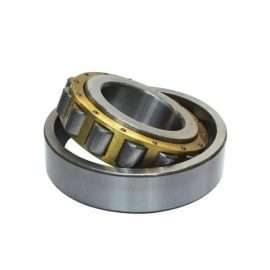


The NU2211ECP is a type of cylindrical roller bearing designed for specific applications. Here’s a breakdown of its key features and specifications:
1. Bearing Type:
- NU: This indicates the bearing is a cylindrical roller bearing with two flanges on the outer ring and no flanges on the inner ring. This design allows the inner ring to move axially relative to the outer ring, making it suitable for applications where thermal expansion or misalignment might occur.
2. Dimensions:
- The 2211 in the bearing code refers to its size:
- Bore Diameter (d): 55 Mm
- Outer Diameter (D): 100 Mm
- Laius (B): 25 Mm
3. ECP Designation:
- EC: This stands for “Optimized Internal Design,” which typically means the bearing has a higher load-carrying capacity due to an increased number of rollers and improved roller guidance.
- P: This indicates that the bearing is made of high-quality steel (usually vacuum-degassed steel) and is designed for higher performance and durability.
4. Load Capacity:
- Cylindrical roller bearings like the NU2211ECP are designed to handle high radial loads. They are not typically used for applications with significant axial loads, as they are not designed to handle thrust loads.
5. Applications:
- NU type bearings are commonly used in applications where the shaft needs to move axially relative to the housing, such as in:
- Electric motors
- Gearboxes
- Machine tools
- Pumps
- Compressors
6. Lubrication:
- Proper lubrication is essential for the longevity and performance of the bearing. The type of lubricant (grease or oil) and the lubrication interval will depend on the operating conditions, such as speed, temperature, and load.
7. Mounting and Maintenance:
- Proper mounting and alignment are crucial to ensure the bearing operates correctly. Misalignment can lead to premature failure.
- Regular maintenance, including lubrication and inspection for wear, is necessary to extend the bearing’s service life.
8. Manufacturer Specifications:
- Always refer to the manufacturer’s datasheet for detailed specifications, including dynamic and static load ratings, speed limits, and temperature ranges.
If you have a specific application in mind or need further details, consulting with a bearing specialist or the manufacturer would be advisable.