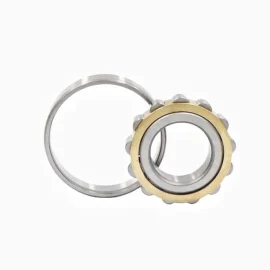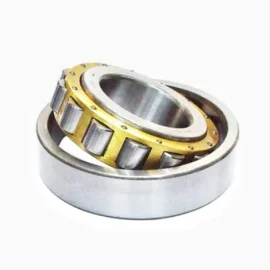


Cov NU312 yog ib hom cylindrical roller bearing. Here’s a breakdown of its key features and specifications:
1. Hom kabmob:
- TSIS TAU: This indicates the bearing type. In this case, TSIS TAU txhais tau hais tias nws yog ib tug cylindrical roller bearing nrog ob flanges ntawm lub nplhaib sab nraud thiab tsis muaj flanges ntawm lub nplhaib puab.. This design allows the inner ring to move axially relative to the outer ring, making it suitable for applications with axial displacement.
2. Qhov ntev:
- Cov 312 in NU312 refers to the bearing’s size according to the ISO standard.
- Inner Diameter (d): 60 mm
- Sab nraud (D): 130 mm
- Dav (B): 31 mm
3. Load Capacity:
- Cylindrical roller bearings like the NU312 are designed to handle high radial loads. They are not suitable for axial loads unless combined with another bearing type.
- The dynamic and static load ratings depend on the manufacturer and specific design, but typical values are:
- Dynamic Load Rating (C): ~108 kN
- Static Load Rating (C0): ~102 kN
4. Daim ntawv thov:
- NU312 bearings are commonly used in applications where high radial loads and moderate speeds are present, such as:
- Electric motors
- Gearboxes
- Industrial machinery
- Pumps
- Compressors
5. Material:
- Typically made from high-quality chrome steel (e.g., SAE 52100) for durability and wear resistance.
- Optional materials like stainless steel or special coatings may be available for corrosive or high-temperature environments.
6. Cage:
- The cage (which separates the rollers) is usually made of steel, brass, or polyamide (plastic), depending on the application requirements.
7. Lubrication:
- Proper lubrication is essential for optimal performance. Grease or oil lubrication can be used, depending on the operating conditions.
8. Mounting and Maintenance:
- NU312 bearings are typically mounted with an interference fit on the shaft and a loose fit in the housing.
- Regular maintenance, including lubrication and monitoring for wear, is necessary to ensure long service life.
Yog koj xav paub ntxiv, such as specific load ratings, tolerances, or manufacturer-specific information, qhia rau kuv paub!