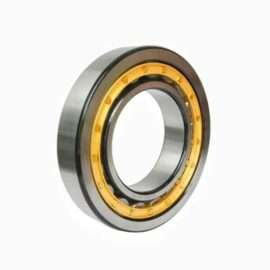


Ko e NJ207E ko ha faʻahinga cylindrical roller bearing. Ko ha fakamatala ʻeni ʻo hono ngaahi tuʻunga pau mo e ngaahi fotunga:
1. Faʻahinga:
- NJ: ʻOku fakahaaʻi ʻe he meʻa ni ko e bearing ko ha fuopotopoto ʻoku ʻi ai ha hui vakavaka ʻe taha ʻi he foʻi mama ʻi tuʻa pea hui vakavaka ʻe ua ʻi he foʻi mama ʻi loto. Ko e “NJ” ʻOku fakaʻata ʻe he palani ʻa e fehikitaki axial ʻi he tafaʻaki ʻe taha.
2. Fua:
- Diameter ʻo e ava (d): 35 MM
- Diameter ʻi tuʻa (D): 72 MM
- Laulahi (B): 17 MM
These dimensions are standardized for the NJ207E bearing.
3. Cage:
- The bearing typically uses a steel or brass cage to separate the rollers, ensuring smooth operation and reducing friction.
4. Load Capacity:
- Cylindrical roller bearings like the NJ207E are designed to handle high radial loads. They are not suitable for axial loads unless combined with another bearing.
5. E-Suffix:
- Ko e “E” in NJ207E indicates an optimized internal design with increased load-carrying capacity. This is achieved through improved roller and raceway profiles.
6. Ngaahi tohi kole:
- Cylindrical roller bearings are commonly used in applications requiring high radial load capacity, hange ko e:
- Ngaahi moto ʻuhila
- Ngaahi puha ʻo e ngaahi puha
- Machine tools
- Automotive transmissions
7. Lubrication:
- Proper lubrication is essential for optimal performance. Grease or oil lubrication can be used depending on the application and operating conditions.
8. Mounting:
- The NJ207E bearing is typically mounted with an interference fit on the shaft and a loose fit in the housing. Proper installation is crucial to prevent misalignment and premature failure.
9. Equivalent Bearings:
- Other bearings with similar dimensions and load capacities include:
- NJ207
- NJ207ECP
- NJ207ECJ
Kapau ʻoku ke fie maʻu ha ngaahi fakaikiiki lahi ange, such as load ratings or specific application guidance, Fakaha mai kiate au!